


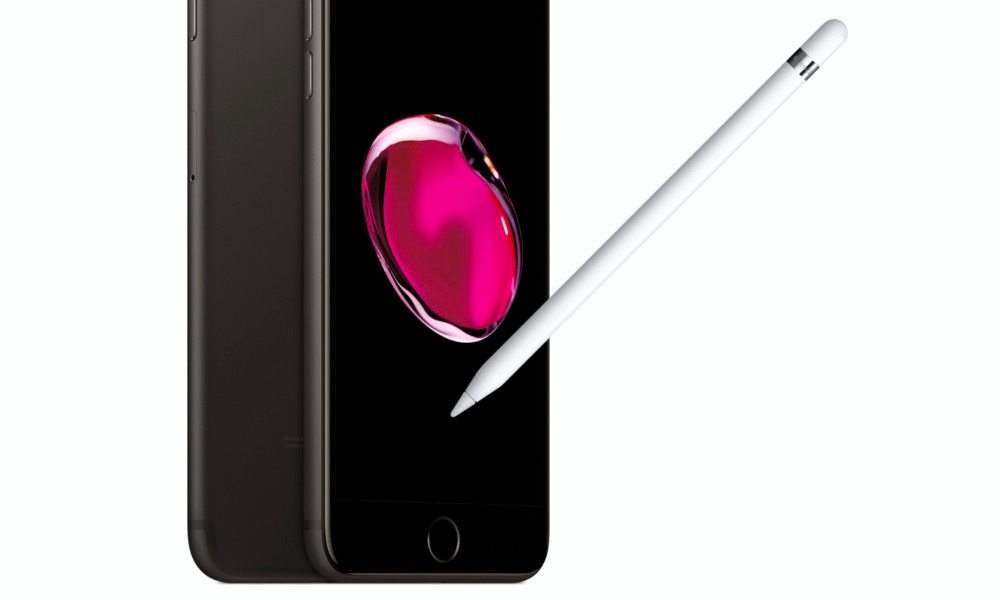
The iPhone X uses the TrueDepth camera for Animoji, but after some testing with two of our own iPhone X’s, it seems Animoji doesn’t actually require the infrared lasers to work. You can even cover up a portion of the TrueDepth modules with your finger or a piece of tape without infringing on the iPhone X’s ability to generate cartoon floating heads. According to iMore, Animoji makes use of the IR camera periodically.
That doesn’t necessarily mean that some form of Animoji couldn’t work on an iPhone that lacked the module. So, if the Animoji app mostly just relies of a front-facing RGB camera and a bit of software, why is this feature restricted solely to the iPhone X, Maybe Apple wanted to add a little spice to its flagship device, and the company is planning on bringing Animoji features to the wider iPhone family at a later date. At this time, we don’t really know exactly how it works. However, we have reached out to Apple for comment. What we meant to say was that it might not need the 3D sensing-capabilities of the TrueDepth camera. We regret the error.
Rayon from this era can usually be dry cleaned. Silk and velvet from this era are still risky to clean by hand or by dry cleaning and a judgment call will have to be made. There were some odd combinations of synthetic and natural materials made in the 1960s used mainly for dresses and suits that you have to be careful of when steaming or ironing.
I had a suit that was part linen, part rayon and part nylon that did not like the water drops from my steamer. It left water spots on a NOS suit. I had to dampen the whole suit and then iron with a damp white wash cloth in between the suit and the iron.
It never really looked quite right though. But the fact is that the gold iPhone was easily the most sought-after model at launch. Never use an iron on velvet. It completely changes the appearance to flat and shiny. I do use the steamer on velvet, but only from the inside of the velvet, never allowing the steamer to touch the outside layer of the velvet. You have to move the steamer really fast across the inside to avoid damage. Velvet older then the 1950s should not be steamed.
The garments of the 50s can be hand washed or dry cleaned, except for silk, which can still be problematic. Probably a jersey silk is ok to dry clean, but structured silk can be shredded by the dry cleaners, unless you are lucky enough to have cleaner who specializes in vintage clothing.
Cotton, linen, and nylon can be hand washed. Rayon crepe still needs to be dry cleaned and rayon jersey possibly can be hand washed but be careful of color bleeds. Always use salt when hand washing a colorful print in any type of material. Some rayon can be steamed or ironed on a low synthetic setting, but others need to avoid the steamer. In particular, my steamer drips and on the later 80s rayon, the water drops from the steamer actually leave water marks.
The only way to remove them is to dampen the whole garment and dry iron or iron with a damp white clean wash cloth in between the garment and the iron. Some of the rayon nightgowns from the 30s and 40s should also be ironed with a white damp cloth in between the iron and the garment.
My assistant was steaming a 40s nightgown and where she had steamed one area too long, the material became damaged and weak leaving lines in the fabric. It was permanently damaged. Rayon crepe can be ironed with a dry iron. Since water makes it shrink, the steamer and ironing with a wash cloth are both bad ideas.


0 Comments